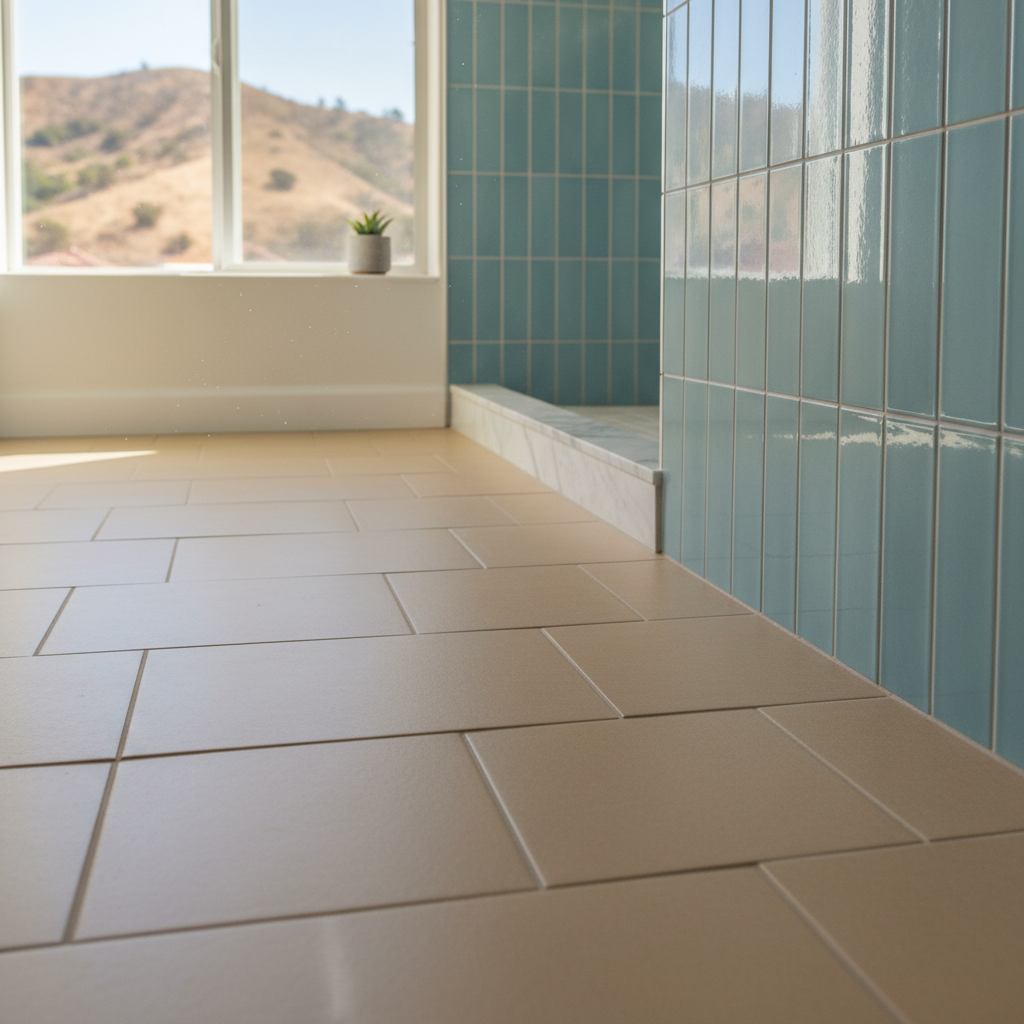
Alright, let's talk floors. I get a lot of questions from folks in Santa Clarita about tile and other flooring, and it makes sense. It's a big investment, and you want to get it right. So, I figured I'd tackle some of the most common things people ask me when they're thinking about new floors. No fluff, just straight answers from someone who's been doing this for a long time.
What's the real difference between ceramic and porcelain tile?
This is probably the most common question I get, and it's a good one because they look pretty similar on the surface. The main difference comes down to how they're made. Porcelain tile is fired at much higher temperatures and for longer periods than ceramic. This makes it denser, less porous, and generally more durable. Think of it like this: ceramic is great for walls and lighter traffic areas, or even some floors where you're not going to beat it up too much. Porcelain, though, that's your workhorse. It's much better for high-traffic areas, outdoor spaces, and anywhere you need something tough, like a bathroom or kitchen floor. It's also more water-resistant because it absorbs less moisture, which is a big deal in a bathroom or if you've got kids and pets. You'll usually pay a bit more for porcelain, but for certain applications, it's worth every penny for the longevity and performance.
How long does a typical tile or flooring installation take?
That's like asking how long a piece of string is, right? But I get it, you want a ballpark. For a standard bathroom, say a 5x8 or 5x10 foot space, we're usually looking at about 2-4 days for tile work, start to finish. That includes demo, floor prep, laying the tile, and then grouting. If we're talking about a larger area, like a kitchen and dining room, that could easily stretch to a week or more, especially if there's extensive subfloor repair needed or a complex pattern. Hardwood or laminate can sometimes go a bit quicker, but again, it depends on the size of the area and the condition of the subfloor. What really slows things down isn't usually the laying of the material itself, it's the prep work – making sure the subfloor is perfectly level, dry, and clean. Don't rush that part; it's critical for a long-lasting floor.
What's the best flooring for a busy Santa Clarita family with kids and pets?
Okay, this is where durability and easy maintenance are king. For a busy family, I'd lean heavily towards porcelain tile or luxury vinyl plank (LVP). Porcelain, as I mentioned, is super tough, scratch-resistant, and waterproof. It handles spills, pet accidents, and the general abuse kids can dish out without a problem. LVP is another fantastic option. It's incredibly durable, waterproof, often softer underfoot than tile, and comes in a huge variety of styles that mimic wood or stone really well. It's also usually a bit more forgiving if something heavy gets dropped on it compared to tile. Hardwood is beautiful, but it requires more maintenance and can scratch or dent easier. Carpet? Forget about it with kids and pets if you want it to look good for more than a year or two. For Santa Clarita homes, especially those with direct access to a backyard where dirt can get tracked in, LVP or porcelain are usually the smartest choices.
Do I need to worry about my subfloor, or do you just lay the new stuff on top?
Oh, you absolutely need to worry about your subfloor. This is probably the most overlooked but critical part of any flooring installation. We never just lay new material directly over old, unless it's a very specific situation like floating LVP over a perfectly flat, existing hard surface. For tile, especially, the subfloor has to be rock solid, perfectly level, and completely dry. If it's not, you'll end up with cracked tiles, grout issues, or a bouncy, uneven floor down the road. We often have to install a cement board underlayment for tile, or make repairs to plywood subflooring. Sometimes, especially in older homes around areas like Newhall or Saugus, we find significant issues like water damage or uneven joists that need to be addressed before anything new goes down. Skipping subfloor prep is like building a house on a shaky foundation – it's just asking for trouble.
How much should I budget for new flooring installation?
This is another one where there's a huge range, but I can give you some general ideas. For basic ceramic tile, installed, you might be looking at anywhere from $7 to $15 per square foot. Porcelain will usually be a bit higher, maybe $10 to $25 per square foot, depending on the tile's quality and complexity of the install. Luxury vinyl plank can range from $6 to $14 per square foot installed. Hardwood is typically the most expensive, often starting around $12 and going up to $30+ per square foot for installation, depending on the wood type and finish. These prices include labor and materials, but they can vary widely based on the specific product you choose, the amount of prep work needed, and how complex the layout is. Always get a detailed quote that breaks down materials, labor, and any necessary subfloor prep. Don't just go for the cheapest bid; make sure you understand what's included and what kind of experience the crew has. You don't want to pay twice.
What kind of maintenance is involved with different types of flooring?
Maintenance varies a lot, and it's something you should definitely consider when choosing your floor. Porcelain and LVP are generally the easiest. A regular sweep or vacuum and a damp mop with a mild cleaner are usually all you need. They're very stain-resistant and don't need sealing. Ceramic tile is similar, but depending on the glaze, some might be a bit more prone to scratching than porcelain. The biggest maintenance concern for any tile is the grout. Grout is porous and can stain, so regular cleaning is key. You might consider having your grout sealed every few years, especially in high-traffic or wet areas. Hardwood floors require more care. You need to sweep or vacuum regularly, use specific wood cleaners, and avoid excessive moisture. They'll also need refinishing every 10-15 years, depending on wear and tear. Carpet, well, that's a whole other beast with regular vacuuming, spot cleaning, and professional deep cleaning. For low-fuss living, stick with porcelain or LVP.
Look, choosing new flooring is a big decision for your home. You want something that looks good, lasts a long time, and fits your lifestyle. If you're in Santa Clarita and have more questions or want to talk specifics about your project, give us a call at All Star Bathroom & Kitchen. We're always happy to help you figure out the best solution for your home.